Armored Core VI: Fires of Rubicon – Aksi Mech yang Intens dari FromSoftware
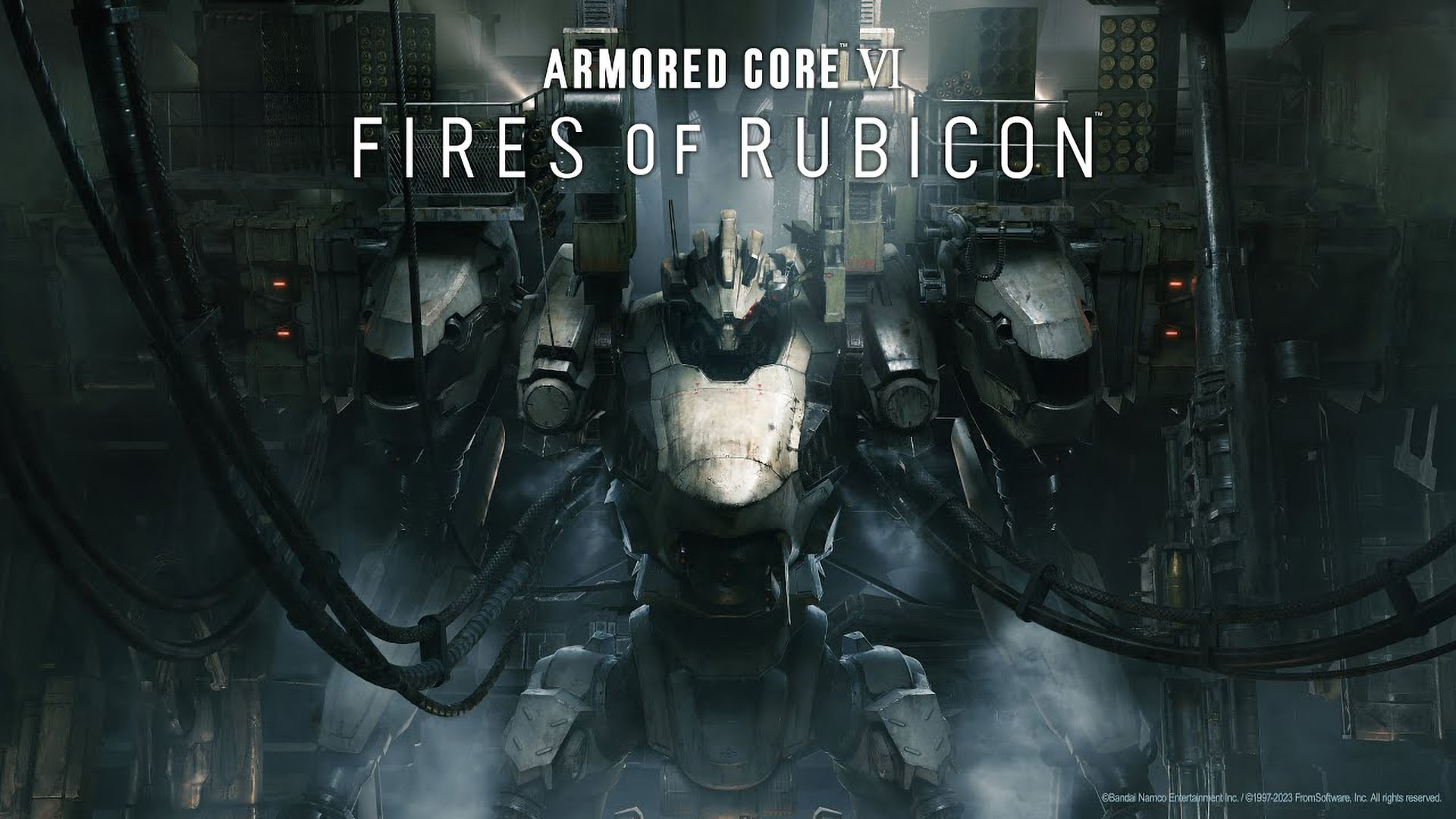
Armored Core VI menghadirkan narasi yang engaging tentang konflik antara korporasi dan faksi lokal di Rubicon 3. Pemain akan bertemu dengan berbagai karakter yang memiliki agenda dan motivasi masing-masing, menambah kedalaman pada cerita. Sistem kustomisasi mech yang mendalam memungkinkan pemain untuk membangun mech impian mereka dengan berbagai parts dan senjata yang dapat dikombinasikan. Setiap misi menawarkan tantangan yang berbeda, dari pertempuran skala kecil hingga pertarungan boss yang epik melawan mech raksasa.
Armored Core VI: Fires of Rubicon – Aksi Mech yang Intens dari FromSoftware
Armored Core VI: Fires of Rubicon adalah game PC terbaru yang menghadirkan aksi mech yang intens dari FromSoftware, studio yang dikenal dengan seri Soulsborne. Berbeda dari game-game soulslike mereka, Armored Core VI menawarkan gameplay yang lebih cepat dan fokus pada kustomisasi mech yang mendalam. Pemain berperan sebagai pilot mercenary yang harus menyelesaikan berbagai misi di planet Rubicon 3 yang dilanda konflik. Bagi Anda yang mencari hiburan gaming berkualitas, kunjungi cr777 untuk pengalaman bermain yang tidak kalah seru.
Dari sisi gameplay, Armored Core VI menawarkan sistem pertarungan yang cepat dan dinamis dengan berbagai senjata dan kemampuan. Pemain harus mengelola energy, amunisi, dan positioning dengan hati-hati untuk mengalahkan musuh yang lebih kuat. Berbagai build yang dapat diciptakan memberikan variasi dalam pendekatan misi, dari mech ringan yang cepat hingga mech berat yang kuat. Boss fight yang menantang dengan pola serangan kompleks menjadi highlight utama, menguji semua kemampuan yang telah dipelajari pemain. Sistem progression yang mendalam memungkinkan pemain untuk terus mengembangkan mech mereka.
Secara visual, Armored Core VI menunjukkan kemampuan FromSoftware dalam menciptakan dunia sci-fi yang memukau dengan detail mech yang luar biasa. Animasi pertarungan yang fluid dan sinematik membuat setiap encounter terasa epik. Pencahayaan yang dramatis dan efek partikel yang memukau menambah intensitas pertarungan. Musik yang digarap dengan baik memperkuat atmosfer setiap momen. Dengan kombinasi gameplay yang solid, kustomisasi yang mendalam, dan presentasi yang memukau, Armored Core VI menjadi salah satu game PC terbaru terbaik di genre mech action.
Hal yang paling menonjol dari Armored Core VI adalah sistem kustomisasi mech yang sangat mendalam. Pemain dapat menyesuaikan hampir setiap aspek mech mereka, dari kepala, tubuh, lengan, kaki hingga generator, booster, dan senjata. Setiap komponen memiliki statistik dan karakteristik sendiri, dan kombinasi yang berbeda menciptakan performa yang berbeda. Sistem ini memungkinkan pemain untuk menciptakan mech yang sepenuhnya disesuaikan dengan gaya bermain mereka, dari mech ringan yang cepat dan lincah hingga mech berat yang kuat dan tahan banting.
Sistem pertarungan Armored Core VI sangat cepat dan dinamis, membutuhkan refleks dan strategi yang tepat. Pemain harus mengelola energy untuk boost dan serangan, sambil mempertimbangkan positioning dan jenis senjata yang digunakan. Berbagai jenis senjata, dari senapan mesin hingga misil hingga blade energi, menawarkan berbagai pendekatan dalam pertarungan. Boss fight melawan mech raksasa dan musuh yang lebih kuat menjadi puncak dari tantangan, menguji kemampuan pemain untuk beradaptasi dan mengoptimalkan build mereka dalam situasi yang menegangkan.
Dari segi cerita, Armored Core VI menghadirkan narasi yang kompleks tentang konflik di Rubicon 3. Pemain akan bertemu dengan berbagai faksi, masing-masing dengan agenda dan filosofi sendiri, dan harus memilih siapa yang akan mereka dukung. Pilihan ini mempengaruhi bagaimana cerita berkembang dan ending apa yang akan pemain dapatkan. Narasi disampaikan melalui briefing misi, komunikasi radio, dan cutscene, menciptakan pengalaman yang imersif dan engaging. Pengungkapan tentang konflik dan tentang karakter yang terlibat akan membuat pemain terlibat secara emosional dengan cerita.
Dari segi visual, Armored Core VI menunjukkan kualitas grafis yang mengesankan dengan desain mech yang detail dan lingkungan yang beragam. Setiap mech dirancang dengan cermat, dengan detail mekanis yang menakjubkan dan animasi yang fluid. Lingkungan game mencakup berbagai lokasi, dari kota yang hancur hingga fasilitas militer hingga lanskap asing, masing-masing dengan tantangan dan keindahan sendiri. Efek visual untuk boost, serangan, dan ledakan menambah intensitas pertarungan dan menciptakan pengalaman visual yang memuaskan.
Dari segi audio, Armored Core VI menggunakan musik dan efek suara untuk menciptakan atmosfer yang sesuai dengan tone game. Musik orkestra epik meningkatkan intensitas pertarungan, sementara efek suara untuk mech, senjata, dan ledakan dirancang untuk terasa kuat dan memuaskan. Pengisi suara untuk karakter memberikan performa yang kuat, menghidupkan setiap karakter dengan kepribadian yang kuat. Suara mech yang bergerak, booster yang menyala, dan senjata yang ditembakkan semuanya berkontribusi pada pengalaman audio yang imersif dan memuaskan.
Kesimpulannya, Armored Core VI: Fires of Rubicon adalah salah satu game mech action terbaik dalam beberapa tahun terakhir. Dengan sistem kustomisasi yang mendalam, pertarungan yang cepat dan dinamis, cerita yang engaging, dan presentasi yang memukau, game ini membuktikan bahwa FromSoftware adalah salah satu developer terbaik di industri. Ini pasti menjadi salah satu game PC terbaru terbaik yang tidak boleh dilewatkan penggemar game mech dan action.